
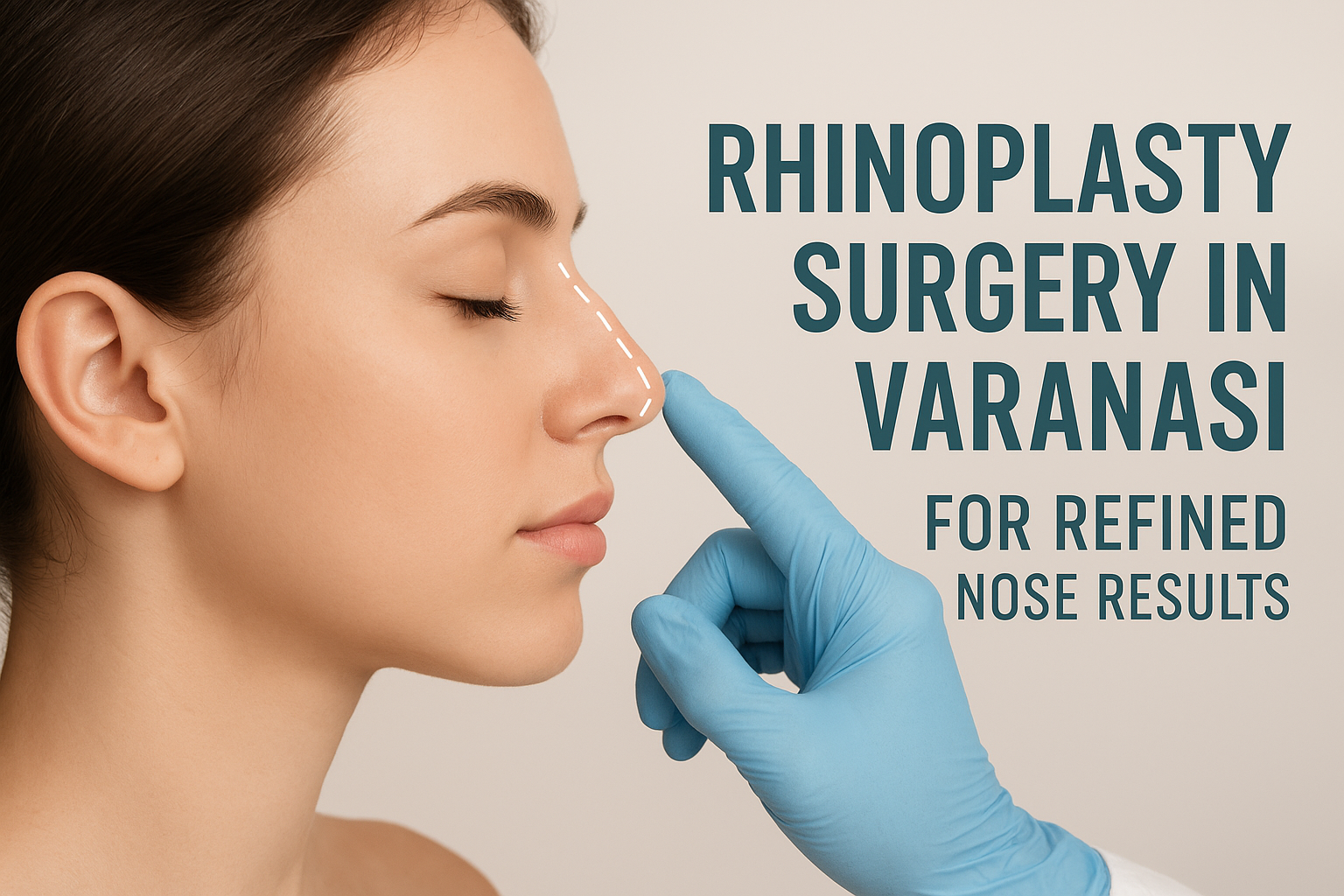
Rhinoplasty, commonly known as nose reshaping surgery, is one of the most popular cosmetic and functional procedures performed today. It enhances the nose structure, improves breathing issues, and brings balance to facial features. For people planning Rhinoplasty Surgery in Varanasi, Asthetic Plastic Surgery offers advanced techniques, modern facilities, and personalized patient care. This detailed blog explains everything you need to know about rhinoplasty, including types, procedure, benefits, cost factors, recovery, and why Asthetic Plastic Surgery is a reliable choice for nose reshaping in Varanasi. Introduction to Rhinoplasty Surgery in Varanasi Rhinoplasty is a surgical procedure that reshapes or reconstructs the nose. It can improve cosmetic appearance, correct deformities, enhance nasal function, or address congenital issues. Many people are concerned about a hump on the nose, wide nostrils, crooked nasal structure, or breathing difficulty. A well-performed rhinoplasty helps resolve these issues while maintaining a natural and balanced appearance. With increasing awareness about cosmetic treatments in Uttar Pradesh, Rhinoplasty Surgery in Varanasi has become a sought-after procedure among students, professionals, and individuals looking for confidence and facial harmony. At Asthetic Plastic Surgery, every treatment plan is customized based on the patient’s facial proportions and expectations. Why People Choose Rhinoplasty Surgery in Varanasi People undergo rhinoplasty for various reasons, including cosmetic modifications, functional improvement, or a combination of both. Cosmetic Reasons Functional Reasons Emotional and Confidence Benefits Types of Rhinoplasty Surgery in Varanasi Asthetic Plastic Surgery offers different rhinoplasty techniques based on each patient’s nose structure and aesthetic goals. Open Rhinoplasty This method involves a small incision across the columella. It allows the surgeon clear access to nasal structures, making it ideal for major reshaping, tip refinement, or revision surgery. Closed Rhinoplasty All incisions are placed inside the nostrils. This technique is less invasive, causes minimal swelling, and allows quicker healing. It is suitable for mild to moderate reshaping. Functional Rhinoplasty This focuses on improving breathing problems caused by a deviated septum, valve collapse, or structural impairment. Cosmetic Rhinoplasty This procedure focuses on improving the appearance of the nose by reshaping, resizing, or refining its structure. Revision Rhinoplasty Performed when a patient is not satisfied with previous nose surgery results or requires correction due to healing complications. Ethnic Rhinoplasty This approach enhances the nose shape while preserving the patient’s natural ethnic features. Who Is a Good Candidate for Rhinoplasty? The ideal candidate for Rhinoplasty Surgery in Varanasi includes individuals who: During consultation at Asthetic Plastic Surgery, the surgeon evaluates facial proportions, skin quality, cartilage structure, and nasal airway before planning the surgery. Rhinoplasty Consultation at Asthetic Plastic Surgery Consultation is one of the most important steps in achieving successful results. Medical Evaluation A complete examination of nasal bones, cartilage, septum, and airway is done. Goal Discussion The surgeon understands what the patient wants to improve, such as a sharper nose, smooth bridge, or balanced appearance. Digital Simulation Advanced imaging helps patients visualize expected outcomes. Personalized Treatment Plan The surgeon discusses the surgical approach, anaesthesia, recovery expectations, and precautions. This ensures the patient is fully informed before proceeding. How Rhinoplasty Surgery Is Performed Step 1: Anaesthesia Depending on the complexity, general or local anaesthesia is used to ensure comfort. Step 2: Incisions Based on the chosen method, incisions are made either inside the nostrils or across the columella. Step 3: Reshaping The surgeon reshapes bone and cartilage, narrows the bridge, refines the tip, or adjusts nostril width. Step 4: Functional Correction If septal deviation or airway issues exist, they are corrected during the same surgery. Step 5: Closing Incisions The tissues are repositioned, and the incision is closed with fine sutures. Step 6: Splint Application A nasal splint is applied to maintain structure and support healing. Benefits of Rhinoplasty Surgery in Varanasi Aesthetic Benefits Functional Benefits Psychological Benefits Recovery After Rhinoplasty Healing varies from person to person. Here is a general recovery timeline: First Week Weeks 2 to 3 One to Three Months Six to Twelve Months Post-operative Care Instructions Cost of Rhinoplasty Surgery in Varanasi The cost of Rhinoplasty Surgery in Varanasi varies based on several factors: Asthetic Plastic Surgery maintains transparency in pricing and ensures safe, high-quality care with advanced medical standards. Why Choose Asthetic Plastic Surgery for Rhinoplasty Surgery in Varanasi? Asthetic Plastic Surgery focuses on blending artistic precision with medical expertise to provide a refined and natural nasal shape. Frequently Asked Questions Is rhinoplasty painful? There may be mild discomfort during the first few days, but anaesthesia makes the surgery itself painless. How long does the procedure take? Rhinoplasty usually takes between one and three hours. Will there be scars? Closed rhinoplasty leaves no visible scars. Open rhinoplasty leaves a very small scar that fades over time. When can I return to work? Most people return to work within a week. Does Rhinoplasty Surgery in Varanasi improve breathing? Yes, especially in patients with septal deviation or airway blockage. Conclusion Rhinoplasty Surgery in Varanasi is an excellent choice for those who want to enhance their nose shape, correct structural issues, or achieve a more balanced facial appearance. A successful rhinoplasty not only changes the way your nose looks but also improves breathing and boosts self-confidence. Asthetic Plastic Surgery offers expertise, advanced surgical techniques, and personalized care that help patients achieve natural results and long-lasting satisfaction. Whether you want cosmetic refinement or functional correction, rhinoplasty can be the ideal solution.
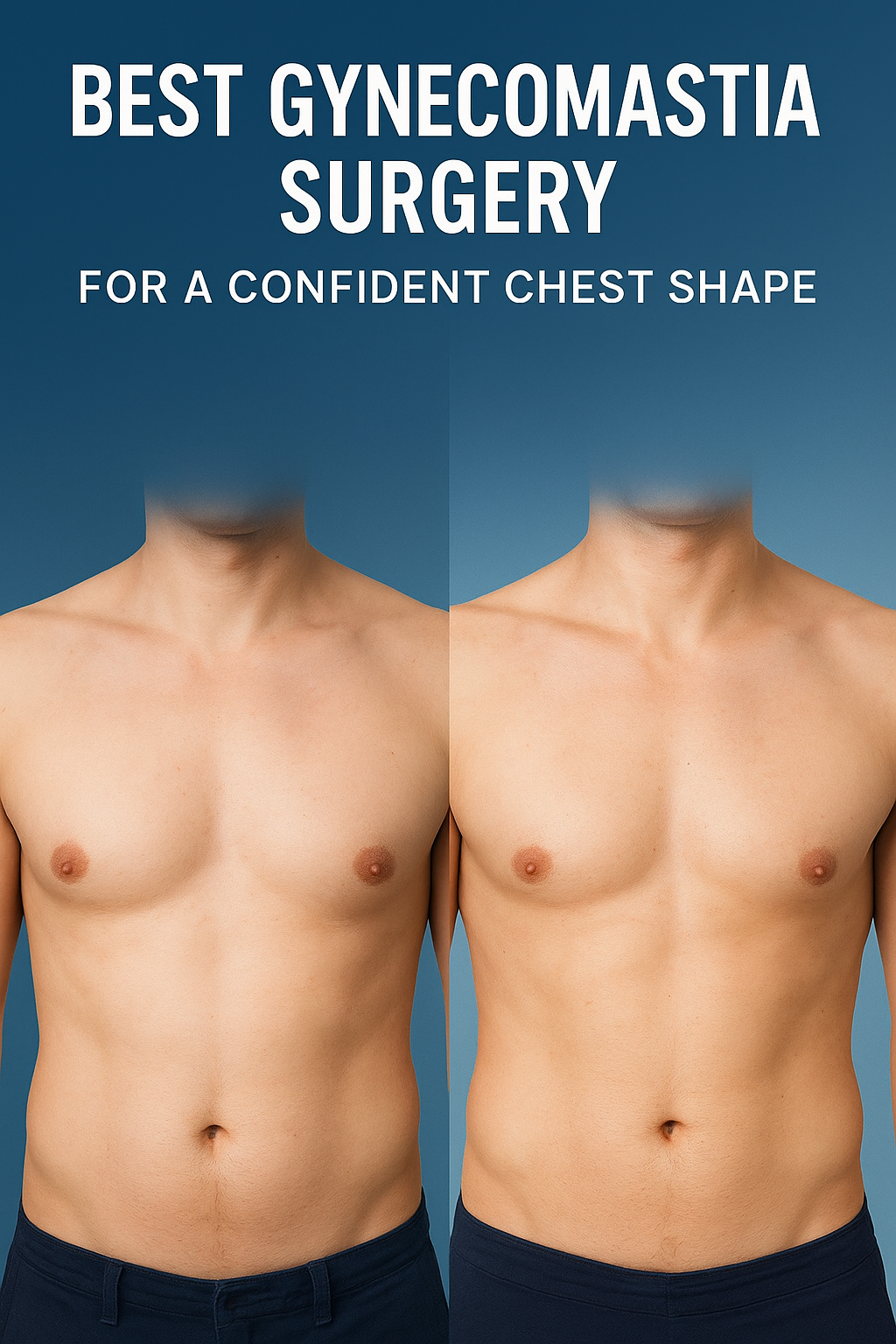
Best Gynecomastia Surgery for a Confident Chest Shape
Gynecomastia — the enlargement of male breast tissue — is a condition that affects an estimated 30–65% of men at some point in their lives. While it’s not medically dangerous, it can cause significant emotional distress and body image concerns. Many men feel embarrassed to remove their shirts in public, avoid physical activities, or experience low self-confidence due to the appearance of their chest. That’s why finding the Best Gynecomastia Surgery in your city becomes a crucial step toward regaining both physical comfort and psychological confidence. The Best Gynecomastia Surgery in specialized clinics can permanently remove excess glandular and fatty tissue, sculpting a flatter, more masculine chest contour. Modern techniques such as high-definition liposuction and minimally invasive gland excision have made the results more natural and the recovery smoother than ever before. Choosing the right surgical expert ensures not just a better aesthetic outcome but also a safer, more comfortable experience. In this blog, we’ll explore everything you need to know about the Best Gynecomastia Surgery in your area — from understanding the condition and different surgical methods to cost breakdowns, recovery timelines, and how to choose a qualified, board-certified plastic surgeon for optimal results. Best Gynecomastia Surgery in: What Is Gynecomastia? Gynecomastia is the medical term for the benign enlargement of male breast tissue caused by an imbalance between the hormones estrogen (which promotes breast tissue growth) and testosterone (which suppresses it). This condition can affect one or both breasts, sometimes unevenly, and is commonly seen during puberty, middle age, or in older men. It’s important to distinguish gynecomastia from pseudogynecomastia — a similar-looking condition that results from excess fat accumulation in the chest area rather than glandular tissue growth. While pseudogynecomastia often improves with weight loss and exercise, true gynecomastia requires medical or surgical intervention. This distinction helps doctors determine whether the Best Gynecomastia Surgery Near Me in your city is necessary or if non-surgical measures might help. Causes of Gynecomastia Several factors can lead to hormonal imbalance or stimulate breast tissue growth: Symptoms and Grades of Severity Common symptoms include: Surgeons often classify gynecomastia into four grades based on severity: Understanding the cause and grade helps surgeons plan the Best Gynecomastia Surgery in your area — ensuring the most suitable approach for safe, aesthetic, and lasting results. Best Gynecomastia Surgery in: Who Is a Suitable Candidate? The Best Gynecomastia Surgery in specialized clinics is designed for men who experience persistent chest enlargement that does not improve with diet, exercise, or medication adjustments. While gynecomastia can occur at any age, the ideal candidates share certain physical and emotional readiness factors that ensure safe, predictable outcomes. Who Can Benefit from Surgery Men typically between 18 and 50 years old benefit most from the gynecomastia surgery in Varanasi in their area. Candidates should be: Fitness enthusiasts, professionals, and young adults often seek surgery to restore confidence, improve posture, and comfortably wear fitted clothing. When to Consider Surgery Surgery is usually recommended when: Choosing the Best Gynecomastia Surgery in a certified hospital helps achieve long-term, natural-looking correction with minimal risk and downtime. When to Avoid or Delay Surgery In some cases, surgery may not be the immediate solution: Once hormonal stability and ideal body weight are achieved, patients can confidently move forward with the Best Gynecomastia Surgery in their city to achieve a sculpted, masculine chest contour. Best Gynecomastia Surgery in: Types of Procedures Explained When seeking the Best Gynecomastia Surgery in your city, understanding the different surgical techniques helps you make an informed decision. Each method targets a specific cause — whether fat buildup, glandular enlargement, or both — to create a natural, masculine chest contour. 1. Liposuction-Only Technique (For Fat-Dominant Cases) This approach is ideal for men with pseudogynecomastia, where the chest enlargement is primarily due to fat accumulation rather than glandular tissue. In the Best Gynecomastia Surgery in advanced clinics, surgeons use high-definition or power-assisted liposuction to precisely remove excess fat through small incisions near the armpit or chest crease. This technique offers quicker recovery and is preferred for mild to moderate cases without significant gland tissue. 2. Gland Excision Surgery (For Glandular or Fibrous Tissue) For men with true gynecomastia, where firm glandular or fibrous tissue exists beneath the nipple, gland excision surgery is the gold standard. During this procedure, the surgeon carefully removes the dense breast gland through a small incision around the lower edge of the areola. The Best Gynecomastia Surgery in reputed centers uses microsurgical techniques to preserve nipple sensation and maintain symmetry. 3. Combination Approach (Liposuction + Gland Excision) Most patients benefit from a combination technique, which merges liposuction for fat removal with gland excision for precise tissue contouring. This method provides the most comprehensive and aesthetically balanced results, especially in moderate to severe gynecomastia cases. By tailoring the technique to each patient’s anatomy, the Best Gynecomastia Surgery in experienced hands can restore a naturally masculine chest contour — combining precision, safety, and lasting confidence. Best Gynecomastia Surgery in: How the Procedure Works Before undergoing the Best Gynecomastia Surgery in your city, every patient goes through a detailed pre-surgery consultation. This includes a thorough medical history review, physical examination, and sometimes hormonal testing to identify potential underlying causes. The surgeon evaluates whether the condition is glandular, fatty, or a combination, and discusses the most suitable surgical plan.Patients are advised to avoid smoking, alcohol, and blood-thinning medications for at least two weeks before surgery. Preoperative photographs are taken for planning and progress comparison. Step-by-Step: The Operation Day On the day of the Best Gynecomastia Surgery in your area, patients typically arrive at the clinic or hospital a few hours before the procedure. Here’s how the day generally unfolds: The procedure is typically completed within 1 to 3 hours, depending on the complexity. Anesthesia, Duration & Recovery Room Care The Best Gynecomastia Surgery in leading centers is usually performed under local anesthesia with sedation or general anesthesia, depending on patient comfort and surgical extent.After surgery, patients spend 1–2 hours in the recovery room under
Best Gynecomastia Surgery Near Me at Trusted Hospitals — Heritage IMS Hospital
If you’re searching for the Best Gynecomastia Surgery Near Me, you’re likely seeking a reliable, safe, and lasting solution to restore a confident, masculine chest shape. Gynecomastia — the enlargement of male breast tissue — affects nearly 30–40% of men at some stage in life, often causing discomfort, self-consciousness, or social anxiety. Fortunately, modern plastic surgery techniques now make it possible to achieve permanent correction with minimal downtime and natural results. This blog is your complete guide to understanding the Best Gynecomastia Surgery Near Me — from identifying the causes and available surgical options to learning about recovery timelines, costs, and tips for choosing a trusted hospital. You’ll also discover why Heritage IMS Hospital stands out as one of the most reliable centers for advanced gynecomastia correction, offering experienced surgeons, modern equipment, and affordable EMI options. Whether you’re comparing procedures, exploring recovery details, or simply trying to find the Best Gynecomastia Surgery Near Me, this detailed guide will help you make an informed, confident decision about your transformation journey. What is Gynecomastia? Gynecomastia is a benign enlargement of male breast tissue, typically caused by an imbalance between estrogen and testosterone levels in the body. While often harmless from a medical standpoint, it can create significant emotional and aesthetic concerns. Men affected by gynecomastia may notice a firm or rubbery mass beneath the nipples or an overall fullness in the chest area that resembles female breast contours. It’s important to distinguish gynecomastia from pseudogynecomastia. Several factors can trigger this condition. Hormonal imbalance during puberty, middle age, or due to medical conditions is one of the leading causes. Other contributors include obesity, certain medications (such as steroids, anti-androgens, or antidepressants), alcohol or drug use, and genetic predisposition. Studies suggest that nearly 1 in 3 men experience some degree of gynecomastia during their lifetime. Beyond its physical aspect, gynecomastia often takes a toll on self-esteem and body confidence. Many men report avoiding tight clothing, gyms, or social activities due to embarrassment about their chest appearance. This emotional impact is one of the main reasons individuals seek the Best Gynecomastia Surgery Near Me — to not only correct the condition but also to regain confidence, comfort, and control over their appearance. Types of Gynecomastia Procedures When exploring the Best Gynecomastia Surgery Near Me, it’s essential to understand that the treatment approach depends on whether the enlarged chest is caused by excess fat, glandular tissue, or both. Modern cosmetic surgery offers safe and effective methods to achieve a flat, masculine chest with minimal scarring and downtime. a) Liposuction for Gynecomastia Liposuction is an excellent choice for men whose chest enlargement is mainly due to fatty tissue buildup rather than firm glandular tissue. During this minimally invasive procedure, surgeons make small incisions through which a thin cannula removes the excess fat. Advanced techniques such as VASER or Power-Assisted Liposuction help in precise contouring while preserving surrounding tissue. The benefits of liposuction include shorter recovery time, less discomfort, and minimal scarring. Most patients can resume work within a few days and return to workouts in about two to three weeks. This technique is ideal for patients seeking the Best Gynecomastia Surgery Near Me with a focus on faster healing and natural results. b) Excision (Gland Removal) Surgery For men with firm, glandular or dense breast tissue, liposuction alone isn’t enough. In these cases, excision surgery is performed to permanently remove the glandular tissue beneath the nipple. The surgeon carefully makes a small incision along the areolar border to remove the gland while maintaining the chest’s natural contour. This procedure ensures that the condition doesn’t recur, offering a long-term and precise correction. It’s particularly beneficial for those with visible nipple puffiness or uneven chest contours. Patients who choose this technique as part of the Best Gynecomastia Surgery Near Me can expect improved chest firmness, symmetry, and a flatter, sculpted appearance. c) Combined Approach In many cases, men have both excess fat and glandular tissue, making a combined approach the most effective treatment. Surgeons use liposuction to remove fat and excision to eliminate the gland tissue — sometimes including skin tightening procedures if there’s loose or sagging skin after fat removal. This method provides the most comprehensive and aesthetic result, particularly for individuals with moderate to severe gynecomastia. The combination ensures smoother chest contours, improved definition, and long-lasting confidence. For those evaluating the Best Gynecomastia Surgery Near Me, the combined approach often delivers the most balanced and satisfying outcome. How to Choose the Best Gynecomastia Surgery Near Me Selecting the Best Gynecomastia Surgery Near Me requires careful research and awareness of key factors that determine your safety, results, and overall satisfaction. Since gynecomastia correction is a specialized aesthetic procedure, choosing the right surgeon and hospital makes all the difference in achieving a natural, masculine chest contour. 1. Verify Surgeon Credentials and Specialization Begin by ensuring that your surgeon is a board-certified plastic or cosmetic surgeon with specific experience in male chest contouring. Gynecomastia correction demands precision, artistic skill, and knowledge of chest anatomy. A qualified surgeon will assess whether your condition requires liposuction, gland removal, or a combination of both. Studies show that patients treated by certified plastic surgeons have significantly lower complication rates and better satisfaction scores post-surgery. Always review their qualifications, years of experience, and surgical portfolio before proceeding. 2. Check Hospital Reputation and Patient Reviews When searching for the Best Gynecomastia Surgery Near Me, look beyond the surgeon’s profile and assess the hospital’s credibility. A trusted facility will have a record of positive patient reviews, a high hygiene standard, and transparent communication about outcomes. Reviewing before-and-after photos or verified testimonials helps set realistic expectations and boosts confidence in your choice. 3. Evaluate Technology, Hygiene, and Safety Standards The quality of technology used plays a crucial role in achieving optimal results. Hospitals equipped with advanced liposuction systems (VASER or MicroAire) and state-of-the-art operation theatres ensure greater precision and minimal scarring. Also, evaluate the facility’s sterilization protocols, anesthesia safety measures, and post-operative care arrangements. These aspects directly
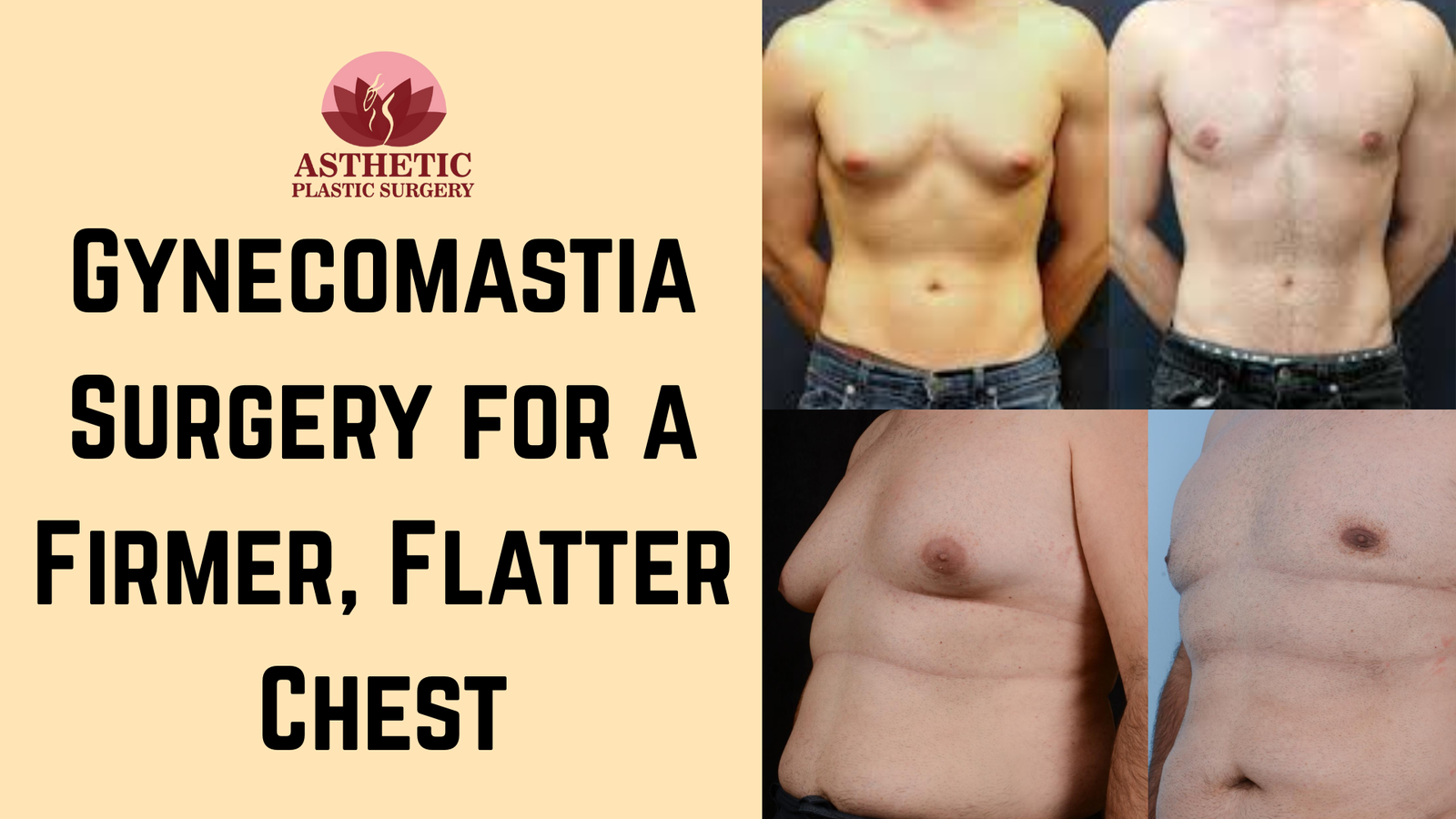
Gynecomastia Surgery for a Firmer, Flatter Chest
Gynecomastia is a medical condition characterized by the enlargement of male breast tissue, often caused by an imbalance between estrogen and testosterone levels. It can affect men of all ages — from adolescents experiencing hormonal fluctuations to adults dealing with medication side effects, obesity, or age-related changes. While the condition is not harmful, it can lead to significant emotional distress, self-consciousness, and reluctance to participate in activities like swimming or wearing fitted clothing. Gynecomastia Surgery (also called male breast reduction surgery) is a safe and effective procedure designed to remove excess glandular and fatty tissue, sculpting a flatter and more masculine chest contour. The surgery typically involves liposuction, excision, or a combination of both, depending on the severity and tissue type. According to the American Society of Plastic Surgeons, over 20,000 Gynecomastia Surgery procedures are performed annually in the U.S. alone, reflecting a growing awareness and acceptance among men seeking aesthetic improvement and confidence restoration. For many patients, the transformation goes beyond the physical — Gynecomastia Surgery often restores self-assurance, helps improve posture, enhances clothing fit, and positively impacts overall body image. It is chosen not just for appearance but also for emotional well-being, making it one of the most sought-after male cosmetic procedures today. Why Men Consider Gynecomastia Surgery Men seek Gynecomastia Surgery for both physical and psychological reasons. While gynecomastia itself is not a life-threatening condition, it often leads to significant emotional discomfort and reduced confidence. Many men experience feelings of embarrassment, avoid certain types of clothing, and even withdraw from social or physical activities like swimming or gym workouts due to the appearance of a fuller chest. From a physical standpoint, gynecomastia can also cause tenderness or pain in the chest area, especially when glandular tissue becomes fibrous or dense. This discomfort, combined with the visible swelling, can make daily activities uncomfortable. Studies suggest that up to 65% of men experience some form of gynecomastia during their lifetime, and while mild cases may resolve naturally, persistent or severe cases often require surgical correction. For most men, diet and exercise alone cannot eliminate true glandular breast tissue, since it is not composed solely of fat. This is where Gynecomastia Surgery becomes the most effective solution — it directly targets and removes the excess glandular and fatty tissue that exercise cannot address. Beyond the physical improvement, Gynecomastia Surgery helps men regain a sense of control over their appearance. The result is not only a firmer, flatter chest but also enhanced posture, confidence, and a willingness to engage freely in social and professional situations without feeling self-conscious. Causes of Gynecomastia Gynecomastia develops when there’s an imbalance between the hormones testosterone and estrogen — specifically, when estrogen levels become relatively higher, leading to the growth of glandular breast tissue in men. This hormonal shift can occur naturally during puberty, aging, or due to certain medical conditions and lifestyle factors. Common causes include: It’s important to differentiate true gynecomastia from pseudogynecomastia. True gynecomastia involves an actual increase in glandular breast tissue, whereas pseudogynecomastia is primarily due to fat accumulation in the chest without glandular enlargement. While weight loss and exercise can reduce pseudogynecomastia, they are usually ineffective for true gynecomastia. In such cases, Gynecomastia Surgery becomes the definitive treatment, as it precisely removes the dense glandular tissue and any excess fat to restore a firmer, flatter, and more masculine chest. Are You a Candidate for Gynecomastia Surgery Not everyone with an enlarged chest automatically qualifies for Gynecomastia Surgery. Ideal candidates are men who maintain a stable, healthy weight, are in good physical condition, and have realistic expectations about the results. Typically, the best candidates are those whose chest enlargement has persisted for at least 12 months despite attempts at exercise, diet control, or medical management. Men who choose Gynecomastia Surgery often do so because their condition has remained unchanged over time, affecting their confidence and body image. They should be non-smokers, or at least willing to quit smoking before and after surgery, as smoking can delay healing and increase complication risks. However, not everyone is an ideal candidate. Those with ongoing anabolic steroid use, untreated hormonal imbalances, or significant obesity should address these underlying issues before considering surgery. In such cases, the enlargement may recur if the root cause isn’t managed. A detailed consultation and medical evaluation help determine eligibility. During this process, the surgeon assesses the extent of glandular and fatty tissue, skin elasticity, and overall health. When appropriately selected, Gynecomastia Surgery provides predictable, long-lasting results — offering men not only a sculpted, masculine chest but also a renewed sense of self-assurance. Types of Gynecomastia Surgery The surgical approach for treating gynecomastia depends on the type and severity of tissue involved — whether it’s primarily fat, glandular tissue, or a mix of both. Gynecomastia Surgery is customized to ensure a natural, contoured chest shape while minimizing scarring and recovery time. Each technique is selected based on individual anatomy and aesthetic goals. With the right surgical plan, Gynecomastia Surgery provides lasting improvement — restoring not only chest definition but also confidence and comfort in one’s body. What to Expect During Gynecomastia Surgery Gynecomastia Surgery is typically a straightforward, outpatient procedure that delivers long-lasting results with minimal downtime. Depending on the extent of correction needed, the surgery is performed under either local anesthesia with sedation or general anesthesia, ensuring complete comfort throughout the process. Once anesthesia takes effect, the surgeon makes small, strategic incisions around the areola (the darker skin surrounding the nipple) or along the natural chest fold to minimize visible scarring. These access points allow precise removal of excess fatty and glandular tissue through liposuction, excision, or a combination of both techniques. The entire Gynecomastia Surgery procedure generally lasts between one to two hours, depending on the complexity of the case and whether both sides require extensive correction. After tissue removal, the incisions are closed with fine sutures to promote smooth healing. A compression garment is applied immediately after surgery to minimize swelling, support the new chest contour, and help