

Gynecomastia is a medical condition characterized by the enlargement of male breast tissue, often caused by an imbalance between estrogen and testosterone levels. It can affect men of all ages — from adolescents experiencing hormonal fluctuations to adults dealing with medication side effects, obesity, or age-related changes. While the condition is not harmful, it can lead to significant emotional distress, self-consciousness, and reluctance to participate in activities like swimming or wearing fitted clothing.
Gynecomastia Surgery (also called male breast reduction surgery) is a safe and effective procedure designed to remove excess glandular and fatty tissue, sculpting a flatter and more masculine chest contour. The surgery typically involves liposuction, excision, or a combination of both, depending on the severity and tissue type. According to the American Society of Plastic Surgeons, over 20,000 Gynecomastia Surgery procedures are performed annually in the U.S. alone, reflecting a growing awareness and acceptance among men seeking aesthetic improvement and confidence restoration.
For many patients, the transformation goes beyond the physical — Gynecomastia Surgery often restores self-assurance, helps improve posture, enhances clothing fit, and positively impacts overall body image. It is chosen not just for appearance but also for emotional well-being, making it one of the most sought-after male cosmetic procedures today.
Why Men Consider Gynecomastia Surgery
Men seek Gynecomastia Surgery for both physical and psychological reasons. While gynecomastia itself is not a life-threatening condition, it often leads to significant emotional discomfort and reduced confidence. Many men experience feelings of embarrassment, avoid certain types of clothing, and even withdraw from social or physical activities like swimming or gym workouts due to the appearance of a fuller chest.
From a physical standpoint, gynecomastia can also cause tenderness or pain in the chest area, especially when glandular tissue becomes fibrous or dense. This discomfort, combined with the visible swelling, can make daily activities uncomfortable. Studies suggest that up to 65% of men experience some form of gynecomastia during their lifetime, and while mild cases may resolve naturally, persistent or severe cases often require surgical correction.
For most men, diet and exercise alone cannot eliminate true glandular breast tissue, since it is not composed solely of fat. This is where Gynecomastia Surgery becomes the most effective solution — it directly targets and removes the excess glandular and fatty tissue that exercise cannot address.
Beyond the physical improvement, Gynecomastia Surgery helps men regain a sense of control over their appearance. The result is not only a firmer, flatter chest but also enhanced posture, confidence, and a willingness to engage freely in social and professional situations without feeling self-conscious.
Causes of Gynecomastia
Gynecomastia develops when there’s an imbalance between the hormones testosterone and estrogen — specifically, when estrogen levels become relatively higher, leading to the growth of glandular breast tissue in men. This hormonal shift can occur naturally during puberty, aging, or due to certain medical conditions and lifestyle factors.
Common causes include:
- Hormonal imbalances: Puberty, aging, thyroid disorders, and testicular conditions can alter hormone levels, triggering gynecomastia.
- Medications: Drugs for ulcers, heart conditions, prostate enlargement, or certain antidepressants have been linked to male breast enlargement.
- Steroid use: Anabolic steroids, often used for bodybuilding, can disrupt natural hormone balance and stimulate glandular growth.
- Obesity: Excess fat raises estrogen production in the body, which can worsen or mimic gynecomastia.
- Genetics: Some men inherit a predisposition to hormone sensitivity or fat distribution in the chest area.
It’s important to differentiate true gynecomastia from pseudogynecomastia. True gynecomastia involves an actual increase in glandular breast tissue, whereas pseudogynecomastia is primarily due to fat accumulation in the chest without glandular enlargement. While weight loss and exercise can reduce pseudogynecomastia, they are usually ineffective for true gynecomastia.
In such cases, Gynecomastia Surgery becomes the definitive treatment, as it precisely removes the dense glandular tissue and any excess fat to restore a firmer, flatter, and more masculine chest.
Are You a Candidate for Gynecomastia Surgery
Not everyone with an enlarged chest automatically qualifies for Gynecomastia Surgery. Ideal candidates are men who maintain a stable, healthy weight, are in good physical condition, and have realistic expectations about the results. Typically, the best candidates are those whose chest enlargement has persisted for at least 12 months despite attempts at exercise, diet control, or medical management.
Men who choose Gynecomastia Surgery often do so because their condition has remained unchanged over time, affecting their confidence and body image. They should be non-smokers, or at least willing to quit smoking before and after surgery, as smoking can delay healing and increase complication risks.
However, not everyone is an ideal candidate. Those with ongoing anabolic steroid use, untreated hormonal imbalances, or significant obesity should address these underlying issues before considering surgery. In such cases, the enlargement may recur if the root cause isn’t managed.
A detailed consultation and medical evaluation help determine eligibility. During this process, the surgeon assesses the extent of glandular and fatty tissue, skin elasticity, and overall health. When appropriately selected, Gynecomastia Surgery provides predictable, long-lasting results — offering men not only a sculpted, masculine chest but also a renewed sense of self-assurance.
Types of Gynecomastia Surgery
The surgical approach for treating gynecomastia depends on the type and severity of tissue involved — whether it’s primarily fat, glandular tissue, or a mix of both. Gynecomastia Surgery is customized to ensure a natural, contoured chest shape while minimizing scarring and recovery time.
- Liposuction (for fatty gynecomastia):
This method is ideal when the enlargement is mainly due to excess fat. Using fine cannulas, the surgeon removes fatty deposits through small, discreet incisions near the chest crease or armpit. Liposuction effectively flattens and defines the chest without large scars. It’s especially useful in patients with pseudogynecomastia, where glandular tissue is minimal. - Excision (for dense glandular tissue):
When firm glandular tissue is present beneath the nipple or areola, liposuction alone is insufficient. Excision involves surgically removing the gland through a small incision around the edge of the areola. This approach ensures complete removal of tough tissue that cannot be suctioned out, resulting in a flatter, firmer contour. - Combination of Liposuction and Excision (for moderate to severe cases):
Most men benefit from a combination approach, as gynecomastia typically includes both fat and glandular components. The surgeon uses liposuction to contour the chest and excision to remove residual glandular tissue, achieving a smooth and balanced outcome. - Advanced Cases (skin tightening or areola repositioning):
In severe or long-standing cases where the skin has stretched or sagged, Gynecomastia Surgery may also include skin excision, nipple repositioning, or areola reduction to restore natural chest proportions.
Each technique is selected based on individual anatomy and aesthetic goals. With the right surgical plan, Gynecomastia Surgery provides lasting improvement — restoring not only chest definition but also confidence and comfort in one’s body.
What to Expect During Gynecomastia Surgery
Gynecomastia Surgery is typically a straightforward, outpatient procedure that delivers long-lasting results with minimal downtime. Depending on the extent of correction needed, the surgery is performed under either local anesthesia with sedation or general anesthesia, ensuring complete comfort throughout the process.
Once anesthesia takes effect, the surgeon makes small, strategic incisions around the areola (the darker skin surrounding the nipple) or along the natural chest fold to minimize visible scarring. These access points allow precise removal of excess fatty and glandular tissue through liposuction, excision, or a combination of both techniques.
The entire Gynecomastia Surgery procedure generally lasts between one to two hours, depending on the complexity of the case and whether both sides require extensive correction. After tissue removal, the incisions are closed with fine sutures to promote smooth healing.
A compression garment is applied immediately after surgery to minimize swelling, support the new chest contour, and help the skin conform to the underlying muscle. Most patients can return home the same day, with post-operative instructions on rest, medication, and garment use.
Overall, Gynecomastia Surgery is designed to be safe, efficient, and transformative — delivering a firmer, flatter, and more masculine chest appearance with minimal disruption to daily life.
Recovery Timeline After Gynecomastia Surgery
Recovery after Gynecomastia Surgery varies depending on the extent of tissue removal and individual healing rates, but most patients can expect a predictable timeline for regaining normal activity and seeing final results.
- First few days: Swelling, bruising, and mild discomfort are common. Patients are advised to limit physical activity, take prescribed pain medication, and continue wearing a compression garment to support healing.
- 1–2 weeks: Most men can return to light work or non-strenuous activities. Swelling begins to subside, but the chest may still feel tight or slightly numb. Consistent use of the compression garment helps maintain the new chest contour.
- 4–6 weeks: Gradual return to moderate exercise and upper body workouts is typically allowed, following the surgeon’s guidance. Patients may notice significant improvement in chest firmness and shape by this stage.
- 3–6 months: Final results of Gynecomastia Surgery become fully apparent as residual swelling dissipates and tissues settle. The chest appears flatter, firmer, and more masculine, reflecting the full benefits of the procedure.
Adhering to post-operative instructions — including rest, garment use, and avoiding heavy lifting early — is crucial for achieving optimal results and minimizing complications. With proper care, Gynecomastia Surgery offers long-lasting physical and aesthetic improvements.
Risks and Complications of Gynecomastia Surgery
Like any surgical procedure, Gynecomastia Surgery carries potential risks, though serious complications are uncommon when performed by an experienced surgeon. Understanding these risks helps patients make informed decisions and take proper precautions before and after surgery.
Common complications include:
- Bruising and swelling: Typically temporary and resolve within a few weeks.
- Numbness: Mild loss of sensation around the nipple or chest, usually temporary.
- Mild asymmetry: Slight differences between the two sides of the chest may occur but often improve as healing progresses.
Rare complications can include:
- Infection: Minimized through sterile technique and post-operative antibiotics if prescribed.
- Hematoma: Collection of blood under the skin requiring drainage in severe cases.
- Contour irregularities: Uneven chest surface or residual lumps.
- Scarring: Usually minimal and hidden but can vary depending on healing tendencies.
Many risks can be minimized by choosing a board-certified plastic surgeon with specific experience in male breast reduction. Proper pre-operative evaluation, following post-operative instructions, and attending all follow-up appointments further reduce the likelihood of complications.
When performed safely, Gynecomastia Surgery is highly effective, with most patients achieving a smooth, firmer, and flatter chest while experiencing minimal side effects.
Scarring and Cosmetic Outcomes
One of the key advantages of Gynecomastia Surgery is that it typically results in minimal, discreet scarring. Incisions are strategically placed around the areola or within the natural chest fold, making them barely noticeable once fully healed.
Proper post-operative care can further improve scar appearance. Surgeons often recommend:
- Silicone gel or sheets: Helps flatten and soften scars over time.
- Gentle massage: Promotes circulation and reduces scar tissue formation.
- Sun protection: Prevents pigmentation changes and keeps scars less visible.
The ultimate goal of Gynecomastia Surgery is a firmer, flatter, and more contoured chest, restoring a masculine appearance while minimizing visible evidence of surgery. Most patients find that, with diligent scar care, the results look natural and long-lasting, enhancing both aesthetics and self-confidence.
Non-Surgical Alternatives
While Gynecomastia Surgery is the most effective treatment for true glandular enlargement, some men explore non-surgical alternatives to manage mild cases or pseudogynecomastia. Common approaches include:
- Lifestyle changes and weight loss: Reducing overall body fat can help diminish chest fullness in cases where excess fat is the main contributor.
- Stopping certain medications or substances: Some drugs, alcohol, or anabolic steroids can contribute to breast tissue growth. Discontinuing these under medical supervision may reduce symptoms.
- Hormonal evaluation and management: Addressing underlying endocrine imbalances, such as low testosterone or elevated estrogen, can prevent progression and sometimes reduce mild tissue enlargement.
However, it’s important to note that these methods typically offer limited success for true gynecomastia, which involves firm glandular tissue. Only Gynecomastia Surgery can reliably remove both fat and glandular tissue to achieve a permanently firmer, flatter chest. Men considering alternatives should consult a healthcare professional to determine the most appropriate approach for their individual condition.
How Much Does Gynecomastia Surgery Cost
The cost of Gynecomastia Surgery varies depending on several factors, including the surgeon’s experience, the type of hospital or surgical facility, the anesthesia used, and the complexity of the case. Mild cases that require only liposuction are generally less expensive, while moderate to severe cases needing combined liposuction and gland excision, or additional skin tightening, may cost more.
Geographic location also plays a significant role, as procedures in metropolitan areas or high-demand clinics tend to be pricier than in smaller cities. On average, patients can expect costs to range widely depending on these factors.
Many clinics and hospitals offer financing plans or EMI options to make the procedure more accessible, and in certain medically necessary cases, partial insurance coverage may apply. Despite the cost, most patients consider Gynecomastia Surgery a worthwhile investment due to its lasting physical and psychological benefits, including a flatter, firmer chest and improved confidence.
Choosing the Right Surgeon for Gynecomastia Surgery
Selecting a qualified surgeon is one of the most important steps for a successful Gynecomastia Surgery outcome. Men should prioritize a board-certified plastic surgeon with proven experience in male breast reduction procedures. Board certification ensures that the surgeon has met rigorous standards in training, safety, and surgical expertise.
During the consultation, patients should:
- Review before-and-after photos to assess the surgeon’s results and aesthetic style.
- Read patient reviews to gauge satisfaction, professionalism, and follow-up care.
- Evaluate the consultation approach, ensuring the surgeon listens carefully to goals and provides realistic expectations.
It is also important to ask specific questions about the surgical technique, anticipated scarring, recovery timeline, and revision policy in case adjustments are needed. By carefully choosing a skilled and experienced surgeon, patients maximize the likelihood of achieving a firmer, flatter, and more masculine chest with long-lasting results from Gynecomastia Surgery.
Before and After Results: What to Expect
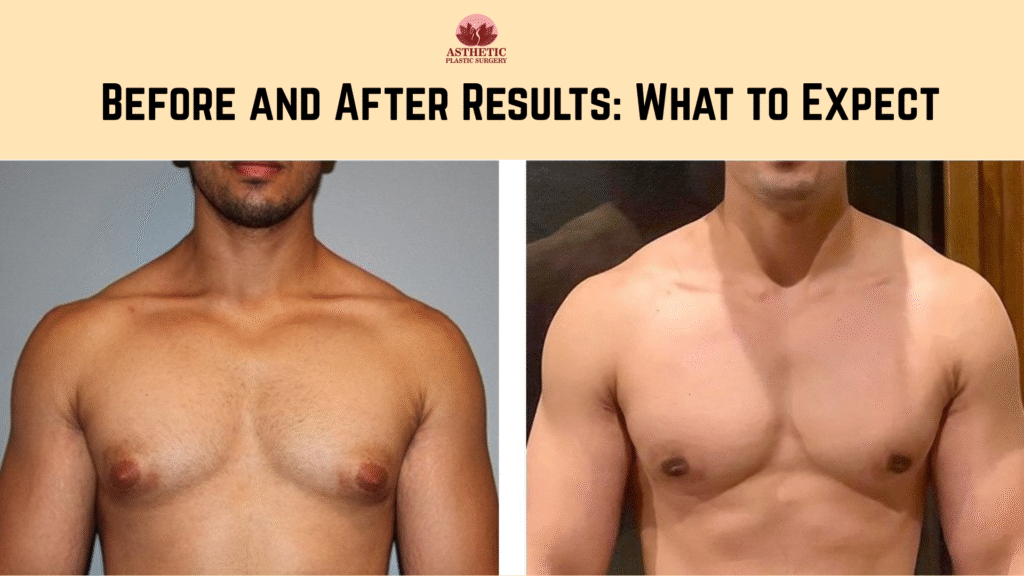
Patients undergoing Gynecomastia Surgery often notice immediate improvement in chest shape once the initial swelling begins to subside. While the full results are not visible right away, the transformation is typically apparent within the first few weeks, offering a firmer and flatter chest.
Long-term contour stability is usually achieved after a few months, once residual swelling resolves and the tissues fully settle. The chest appears natural and proportionate, reflecting the combined effect of glandular excision and fat removal.
Many surgeons showcase real patient examples to help prospective patients understand expected outcomes and set realistic expectations. These before-and-after images demonstrate the effectiveness of Gynecomastia Surgery in creating a masculine chest while highlighting minimal scarring and natural contour. Reviewing authentic patient results can provide reassurance and guide men in making informed decisions about the procedure.
FAQs About Gynecomastia Surgery
Many men considering Gynecomastia Surgery have common questions about pain, results, and long-term outcomes:
- Is Gynecomastia Surgery painful?
Most patients experience only mild discomfort, which is easily managed with prescribed pain medications. Swelling and tenderness are common in the first few days but typically improve rapidly. - When will I see results?
Noticeable changes in chest contour appear within weeks, as swelling begins to subside. Final results are usually visible after 3–6 months, when the tissues settle into a firm and natural shape. - Can gynecomastia come back?
Recurrence is rare, especially when hormone levels are stable and weight is maintained. Proper lifestyle habits can help preserve the surgical outcome. - Can Gynecomastia Surgery be combined with other procedures?
Yes, it is often combined with abdominal liposuction or other body contouring procedures to achieve more balanced and harmonious results.
By addressing these questions, men can feel more confident in choosing Gynecomastia Surgery as a safe, effective, and lasting solution for a firmer, flatter chest.
Preparation Checklist Before Gynecomastia Surgery
Proper preparation is key to ensuring safe and successful Gynecomastia Surgery. Patients should take several steps in the weeks leading up to their procedure:
- Lifestyle adjustments: Stop smoking and limit alcohol consumption, as both can interfere with healing. Maintain a steady, healthy weight and follow any instructions regarding medications.
- Documentation: Bring previous medical reports, imaging, and a list of medications or supplements to the consultation. Prepare questions to discuss surgical technique, recovery, and expected outcomes.
- Post-operative planning: Arrange for rest and support at home, including the use of a compression garment as directed by the surgeon. Ensure you have assistance for the first few days if needed.
By following these steps, patients maximize the safety and effectiveness of Gynecomastia Surgery, helping to achieve a firmer, flatter, and more masculine chest while minimizing complications.
Real Patient Journey Example
A typical Gynecomastia Surgery journey illustrates both the physical and emotional transformation experienced by patients:
- Consultation: The surgeon evaluates the chest, discusses goals, and determines the best surgical approach. Patients are educated on what to expect during and after surgery.
- Surgery Day: The procedure is performed under anesthesia, with excess glandular and fatty tissue removed. A compression garment is applied to support healing.
- Week 1: Swelling and mild discomfort are present. Light daily activities are allowed, while more strenuous tasks are avoided.
- Week 4: Most patients return to regular work and gradually resume moderate exercise. Swelling continues to decrease, and chest shape becomes more defined.
- Month 3: Significant improvement in contour is evident, and patients often report increased confidence and comfort in clothing.
- Month 6: Final results are visible. The chest is firmer, flatter, and more masculine, reflecting the full benefits of Gynecomastia Surgery.
Throughout this timeline, patients commonly experience not only aesthetic improvements but also a boost in self-confidence and overall quality of life. This journey highlights how Gynecomastia Surgery addresses both physical appearance and emotional well-being.
Conclusion — Gynecomastia Surgery for Confidence and Contour
Gynecomastia Surgery offers men a range of lasting benefits, including a more masculine chest shape, improved body proportion, and a renewed sense of confidence. Beyond the physical transformation, patients often experience enhanced self-esteem and comfort in everyday activities, from clothing choices to social interactions.
Men considering this procedure are encouraged to schedule a consultation with a board-certified aesthetic surgeon to discuss goals, evaluate candidacy, and create a personalized surgical plan.
Ultimately, Gynecomastia Surgery provides a safe and effective path to a firmer, flatter chest, restoring both appearance and self-confidence for a long-term positive impact on quality of life.